

Are Beets Good for Your Liver? What You Should Know


Beets have a strong color, a sweet taste, and a growing reputation as a superfood. But if you're wondering, “Are beets good for your liver?” — the short answer is yes, they might help.
Beets contain antioxidants and nitrates that may support liver function, reduce inflammation, and improve blood flow. Some studies suggest beet juice can help protect liver cells and support natural detox processes.
In this article, we'll explain how beets affect your liver, what science says, and how to safely add them to your diet.
Why your liver matters
Your liver is one of the most important organs in your body. It works 24/7 to keep you healthy. Your liver:
-
Filters toxins from your blood
-
Helps digest fats and process nutrients
-
Stores vitamins and energy
-
Regulates blood sugar and cholesterol
-
Helps make proteins that your body needs
When your liver is healthy, you probably don’t think about it. But when it’s not working well, it can cause serious health problems.
Common liver conditions include:
-
Cirrhosis
-
Hepatitis
-
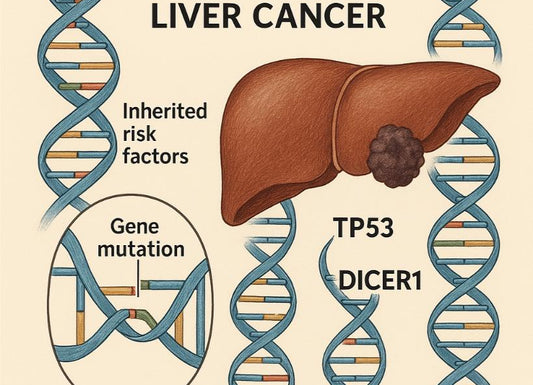
Liver cancer
Risk factors such as metabolic issues (like obesity, diabetes, and high cholesterol) and lifestyle factors (such as poor diet, lack of exercise, and excessive alcohol use) play a significant role in the development and progression of these liver conditions.
Because the liver is involved in so many body systems, keeping it healthy is critical. That’s where beets come in.
What's in beets that supports liver health?
Beets are rich in essential nutrients, including vitamins, minerals, and phytochemicals, as well as plant compounds and antioxidants. Including beets in your dietary intake can help ensure you get a variety of nutrients important for liver health. Some of the most liver-friendly components in beets include:
1. Betalains
These are the pigments that give beets their bright red color. Betalains are antioxidants. They help fight inflammation and may reduce oxidative stress in your liver.
2. Nitrates
Beets contain natural nitrates that help widen blood vessels and improve blood flow. In the body, dietary nitrates from beets are converted into nitric oxide, which further supports liver health by enhancing blood flow and reducing inflammation. These help improve blood flow, supporting detox functions and oxygen delivery to liver cells.
3. Fiber
Beets are high in fiber, especially when eaten whole. Fiber supports digestion and can help reduce fat buildup in the liver.
4. Folate and other B vitamins
These help your liver break down and eliminate toxins and keep your metabolism running smoothly. Betaine, a compound found in beets, supports the liver transmethylation process, which is important for liver function and helps prevent fat accumulation in the liver.
5. Iron and potassium
These minerals support blood flow and help your liver make enzymes and proteins.
What do studies say about beets and liver health?

Several small studies and animal experiments suggest that beets and beet juice may support liver health.
In a 2012 animal study on rats exposed to toxic chemicals, beetroot extract lowered liver enzymes (ALT, AST) and increased antioxidant activity (SOD, GPX, GST). This points to reduced liver damage and oxidative stress.
Another animal study found that beetroot juice reduced fat buildup in the liver, improved insulin resistance, and lowered inflammation in rats fed a high-fat diet. These results suggest beets may help prevent or reduce fatty liver disease by reducing hepatic steatosis and fatty liver accumulation.
Human data is still limited but growing. A 2023 clinical trial, designed as a randomized control trial, followed 180 adults over 12 weeks. Researchers used blood markers, including serum bilirubin, serum LDL, and serum triglyceride, to assess liver health. Those who drank beet juice saw reduced liver fat (measured by ultrasound), lower liver enzymes (ALT, ALP), decreased LDL and triglycerides, and increased HDL. Consumption of beetroot juice for 12 weeks resulted in a significant decrease in serum bilirubin, alkaline phosphatase (ALP), and alanine transaminase (ALT) levels. The combination of beetroot juice and a Mediterranean diet showed enhanced efficacy in improving liver function and reducing liver enzyme levels compared to either intervention alone. Both beetroot juice and beetroot powder have been studied for their effects on lipid profiles and liver enzymes in NAFLD, with evidence showing improvements in clinical symptoms, reductions in hepatic steatosis, and decreased liver fibrosis in some studies.
Other small human studies also showed that beetroot supplements lowered ALT and AST in people with fatty liver. A safety study in older adults found beet extract was well tolerated, though changes in liver markers weren’t significant—likely due to the small sample size.
A recent systematic review summarized that beetroot interventions, including juice and powder, may help improve lipid profiles, reduce liver enzyme levels, and support liver health, especially in individuals with non-alcoholic fatty liver disease (NAFLD).
How do beets help with fatty liver?
Fatty liver disease is one of the most common liver conditions today. It happens when extra fat builds up in liver cells. Beets may help:
-
Lower liver enzymes – a sign of reduced inflammation
-
Reduce fat buildup – due to their antioxidants and fiber
-
Improve blood flow – helping your liver process fats and toxins
-
Support weight management – because they're low in calories and high in fiber
They're not a cure, but they fit well in a liver-friendly diet.
What about beet juice?
Beet juice is a concentrated source of beet nutrients. In some studies, concentrated beetroot juice is used, often taken in the morning before breakfast for maximum absorption. Some people prefer juice because it’s quick and easy to drink. Additionally, research shows that combining beetroot juice with the Mediterranean diet can enhance therapeutic outcomes for liver health, compared to either intervention alone. But there are pros and cons.
Pros:
-
Fast and convenient
-
Easy to absorb
-
Good source of antioxidants and nitrates
Cons:
-
Lower in fiber than whole beets
-
High in natural sugar if you drink a lot
-
May cause red urine or stool (harmless but surprising)
If you have diabetes or are watching your sugar intake, talk to your doctor before drinking beet juice regularly.
If you have diabetes, check with your doctor before drinking it regularly.
How many beets should you eat for liver health?
There’s no official dose, but studies often use about 1 cup of beets per day or 250–500 mL of beet juice. You don’t have to eat beets every day. A few times a week is enough for most people.
Options include:
-
Roasted or steamed beets
-
Raw beets grated into salads
-
Beet juice or smoothies
-
Beetroot powder or capsules (beetroot powder is a convenient form that has been studied for its potential benefits on liver health and lipid profiles)
Start slow if you’re not used to them. Some people get stomach upset from too much fiber or natural sugar.
Are there any risks with eating beets?
For most people, beets are safe. But here are a few things to keep in mind:
-
Red urine or stool: This is called Beeturia (red urine or stool). It's harmless, but it can be alarming.
-
Kidney stones: Beets are high in oxalates. If you've had calcium oxalate kidney stones, limit your beet intake.
-
Low blood pressure: Beets can lower blood pressure. If yours is already low, check with your doctor before adding a lot of beets.
-
Sugar content: Beet juice is high in natural sugar. If you have diabetes or insulin resistance, monitor your blood sugar closely.
As with anything, moderation is key.
How can you add beets to your diet?

Here are simple ways to eat more beets without overdoing it:
-
Add roasted beets to salads or grain bowls
-
Make a beet and apple smoothie with lemon
-
Try pickled beets as a side dish
-
Bake beet chips in the oven
-
Mix beet juice with other vegetables like carrots or celery
-
Use beet powder in water or smoothies
If you're new to beets, start with a small amount and see how your body reacts.
Do beets detox your liver?
You may hear claims that beets “cleanse” or “detox” the liver. But the truth is, your liver doesn't need a detox. That's what it does for you. Instead of thinking of beets as a liver cleanser, think of them as a support tool that helps your liver do its job better.
They can help reduce inflammation, support blood flow, and give your body the nutrients it needs to process toxins naturally.
So yes—beets are good for your liver. But not because they detox it. They support it in doing what it's already designed to do.
Are beets good for people with liver disease?
Beets may be especially helpful for people with liver conditions like:
-
Nonalcoholic fatty liver disease (NAFLD)
-
Alcohol-related liver disease
-
Hepatitis B or C
-
Early-stage cirrhosis
Beetroot supplementation, especially when combined with lifestyle modifications, has been shown to improve clinical symptoms in people with liver disease.
They may help reduce inflammation and fat buildup. But people with advanced liver disease or complications should talk to their doctor before making big changes to their diet. Beets are high in potassium and oxalates, which can be a concern in late-stage disease.
Monitoring liver enzymes: what to know
Keeping track of your liver enzymes is a crucial step in supporting your liver health. This becomes especially important if you're living with nonalcoholic fatty liver disease (NAFLD) or another form of chronic liver condition.
Liver enzymes like ALT (alanine transaminase) and AST (aspartate transaminase) are proteins that help your liver work properly. When you have elevated levels of these enzymes in your blood, it often signals liver damage, fatty liver disease, or other health concerns that need attention.
According to research published in clinical nutrition journals, certain foods and lifestyle choices can help you decrease liver enzymes naturally. Drinking beetroot juice stands out as a particularly promising option for your liver health.
Beetroot juice contains powerful antioxidants and dietary nitrates that may benefit your liver function. A 2021 study in the European Journal of Nutrition showed improved liver enzyme levels in people living with NAFLD who added beetroot juice to their daily routine.
The Mediterranean diet offers another evidence-based approach to supporting your liver. This eating pattern emphasizes plenty of fruits, vegetables, whole grains, and healthy fats like olive oil.
Research from the Journal of Hepatology demonstrates that following a Mediterranean diet can help you reduce your risk of fatty liver disease. Studies also show this approach may help lower your liver enzyme levels over time.
Cruciferous vegetables deserve special attention in your liver health journey. Broccoli, Brussels sprouts, and cauliflower contain compounds that offer anti-inflammatory and antioxidant benefits. These properties may help protect your liver from damage.
Green tea and grapefruit can also play supportive roles in your liver health routine. Green tea contains antioxidants called catechins that research links to better liver function and reduced liver cancer risk.
Grapefruit provides vitamin C and other beneficial compounds that may help reduce inflammation in your body. This can contribute to maintaining a healthier liver overall.
You might be considering dietary supplements like vitamin E or milk thistle for additional liver support. While these may offer helpful effects for some people, it's essential to talk with your healthcare provider first. This conversation becomes even more important if you're managing chronic liver disease or taking other medications.
Regular exercise, a balanced diet, and stress management all play key roles in supporting your liver health. These lifestyle choices help keep your liver enzyme levels within healthy ranges.
Remember that monitoring your liver enzymes represents just one piece of your overall health picture. Regular check-ups with your healthcare provider remain essential for early detection and proper management of liver concerns.
By making informed choices about your diet and lifestyle, you can take meaningful steps toward better liver health. Including beetroot juice, cruciferous vegetables, green tea, and olive oil in your routine may help you decrease liver enzymes, support liver function, and promote your overall well-being.
What else helps your liver stay healthy?
Eating beets is just one part of liver care. Other healthy habits include:
-
Avoiding heavy alcohol use
-
Eating plenty of fruits and vegetables
-
Including other cruciferous vegetables, such as kale and cabbage, for their collective liver health benefits
-
Exercising regularly
-
Avoiding processed foods and added sugar
-
Managing diabetes or cholesterol
-
Drinking enough water
-
Not smoking
-
Getting vaccinated against hepatitis A and B
-
Considering liver detox supplements as an additional option, but consult a healthcare provider before use
In some cases, pharmacological treatment may be necessary alongside dietary and lifestyle changes.
You don’t need a perfect diet. Just focus on consistency.
Are beet supplements as good as fresh beets?

Some people take beet powder or beetroot capsules. These can be helpful if you don't like the taste of beets or want a more convenient option. But they may not offer the same benefits as fresh or cooked beets.
Supplements may:
-
Contain less fiber
-
Vary in quality
-
Not be well-regulated
If you choose a supplement, look for one that's third-party tested. And check with your doctor first—especially if you take medications.
What do doctors say about beets for liver health?
Most liver specialists support a diet rich in vegetables, including beets. While they may not recommend beets as a treatment, many agree they can be part of a liver-friendly diet. In fact, a systematic review of current research supports the potential benefits of beets for liver health, though more studies are needed.
Beets are:
-
Safe for most people
-
Packed with antioxidants
-
Helpful for reducing inflammation and improving blood flow
No single food will cure or prevent liver disease. But beets can be one helpful tool among many.
So, Are beets good for your liver?
Yes, beets are good for your liver. They may help by:
-
Reducing inflammation
-
Supporting blood flow
-
Providing antioxidants
-
Aiding fat breakdown
-
Supporting detox functions
The health benefits of beets include supporting liver function and contributing to overall well-being.
They are not a cure or a quick fix. But they’re a smart choice if you want to eat in a way that supports liver health.
Key takeaways
-
Beets are rich in bioactive compounds, including betalains, nitrates, and antioxidants, which may support liver function.
-
Preclinical and early clinical studies suggest beetroot may reduce hepatic fat accumulation and inflammation.
-
Beetroot can be consumed in various forms: cooked, raw, juiced, or as a powdered supplement.
-
Excessive intake of beet juice may cause gastrointestinal discomfort or affect individuals with certain health conditions.
-
Individuals with a history of kidney stones or advanced liver disease should consult a healthcare provider before increasing beet intake.
-
While beetroot shows potential, maintaining liver health requires a comprehensive approach—including a balanced diet, regular exercise, and avoiding excessive alcohol or toxins.
Final thoughts
If you're trying to take better care of your liver, eating more beets is a good step. They're affordable, easy to prepare, and offer a lot of nutritional value. Just remember—they're not magic. Beets work best as part of a larger plan that includes exercise, hydration, and limiting processed foods.
Your liver is always working to protect you. Supporting it with real food like beets is one way to return the favor.
Related Resources
References
Nature. (2023). Beta vulgaris L. beetroot protects against iron-induced liver injury. https://www.nature.com/articles/s41598-024-77503-6
ResearchGate. (2019). Beetroot supplementation on non-alcoholic fatty liver disease patients. https://www.researchgate.net/publication/332759371_Beetroot_Supplementation_on_Non_-_Alcoholic_Fatty_Liver_Disease_Patients
Healthline. (2018). 11 foods that are good for your liver. https://www.healthline.com/nutrition/11-foods-for-your-liver
Ochsner Health. (2025). Top foods and drinks that improve liver health. https://blog.ochsner.org/articles/top-foods-and-drinks-that-improve-liver-health
The Economic Times. (2025, July). This bright red juice could reverse fatty liver. https://m.economictimes.com/news/international/this-bright-red-juice-could-reverse-fatty-liver-doctors-reveal-the-truth-about-beetroot/articleshow/122350412.cms
The Times of India. (2025). 5 drinks to boost liver health. https://timesofindia.indiatimes.com/life-style/health-fitness/health-news/5-drinks-to-boost-liver-health/photostory/122064183.cms