Obstructive Jaundice: Causes, Symptoms, Diagnosis, and Treatment


Obstructive jaundice occurs when bile cannot flow normally from the liver into the intestines. This blockage causes bilirubin a yellow pigment to build up in the bloodstream, turning the skin and eyes yellow. Unlike other forms of jaundice, obstructive jaundice is usually caused by a physical barrier inside the bile ducts and often requires medical treatment.
This guide explains the causes, symptoms, diagnosis, and treatment options for obstructive jaundice, along with when to seek urgent care.
What Is Obstructive Jaundice?
Bile is produced in the liver and travels through the bile ducts into the small intestine, where it helps digest fats. When something blocks this pathway, bile backs up into the liver and bloodstream.
This leads to:
-
Dark urine
-
Pale or clay-colored stools
-
Digestive problems
Obstructive jaundice differs from jaundice caused by liver inflammation or red blood cell breakdown because the issue lies in the bile ducts, not the liver cells themselves.
Understanding your bilirubin levels is key, so read about the Direct Bilirubin Normal Range—What Does It Mean for Your Health?.
Causes of Obstructive Jaundice

Several conditions can narrow or block the bile ducts.
1. Gallstones
Gallstones are the most common cause of obstructive jaundice. A stone may travel from the gallbladder and lodge in the common bile duct, blocking bile flow.
2. Tumors
Tumors can block bile ducts by pressing on them or growing inside them.
Common causes include:
-
Pancreatic cancer
-
Bile duct cancer (cholangiocarcinoma)
-
Gallbladder cancer
-
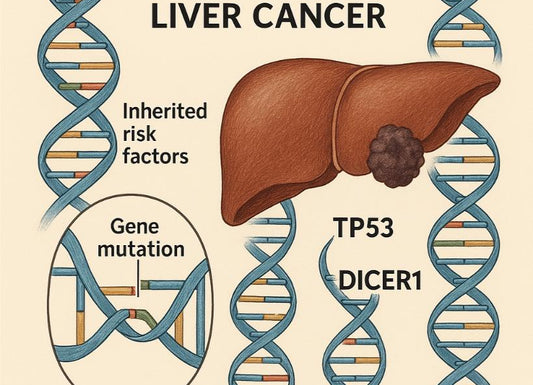
Liver cancer
3. Inflammation or Scarring
Conditions that cause inflammation may narrow the bile ducts:
-
Chronic pancreatitis
-
Post-surgical scarring
-
Primary sclerosing cholangitis (PSC)
For related monitoring, check out The Complete Guide to At-Home Kidney Function Tests.
4. Bile Duct Strictures
These are narrowings caused by injury, infection, or prior procedures.
5. Parasitic Infections
Parasites such as liver flukes may block the ducts, especially in parts of Asia, Africa, and South America.
6. Cysts or Congenital Disorders
Choledochal cysts or other rare structural abnormalities can obstruct the ducts.
Symptoms of Obstructive Jaundice
Symptoms often develop gradually but may appear suddenly when a gallstone blocks the duct.
Common symptoms include:
-
Yellowing of the skin and eyes
-
Dark, tea-colored urine (The presence of Bilirubin in Urine: Causes, Symptoms, Detection, and Treatment can be a strong indicator.)
-
Pale or clay-colored stools
-
Itching (due to bile salts in the skin)
-
Fatigue and weakness (which can also be linked to issues like Anemia and Liver Disease)
-
Loss of appetite
-
Nausea or vomiting
-
Abdominal or right-sided pain
Severe symptoms such as fever or chills may indicate infection of the bile ducts (cholangitis), which requires immediate treatment.
How Obstructive Jaundice Is Diagnosed

Doctors use several tests to confirm that the cause of jaundice is a bile duct obstruction:
1. Blood Tests
-
High bilirubin
-
Elevated alkaline phosphatase (ALP)
-
Increased gamma-glutamyl transferase (GGT)
-
Possible elevation of AST and ALT
These help show whether the pattern fits obstructive jaundice. These tests can be monitored with an At-Home Liver Test.
2. Imaging Tests
These help identify the location and cause of the blockage.
-
Ultrasound: First-line test
-
CT scan: Detects tumors, stones, and structural problems (which can also look for Colon Cancer Spread to Liver)
-
MRI/MRCP: Visualizes bile ducts in detail
-
Endoscopic ultrasound (EUS): Helps identify small stones or tumors
3. ERCP (Endoscopic Retrograde Cholangiopancreatography)
This imaging procedure also allows treatment during the same session.
Doctors can:
-
Remove gallstones
-
Place stents
-
Take biopsies
Treatment Options for Obstructive Jaundice
Treatment depends on the cause of the blockage. The main goal is to restore bile flow and treat the underlying condition.
1. Gallstone Removal
Most stones can be removed during ERCP. If not, surgery may be needed.
2. Stent Placement
Plastic or metal stents may be inserted to open narrowed bile ducts, often used for:
-
Pancreatic cancer
-
Cholangiocarcinoma
-
Chronic strictures
3. Surgery
Sometimes surgery is required to:
-
Remove tumors
-
Bypass blocked ducts
-
Treat congenital abnormalities
4. Antibiotics
If infection (cholangitis) is present, antibiotics are given immediately.
5. Treating Underlying Conditions
Depending on the cause:
-
Chemotherapy or radiation for cancer
-
Anti-inflammatory treatment for pancreatitis
-
Management of PSC or autoimmune disease
Complications of Untreated Obstructive Jaundice
Without treatment, bile buildup can cause serious complications, including:
-
Recurrent infections (cholangitis)
-
Liver damage or liver failure (learn about the Final Symptoms of End-Stage Liver Disease).
-
Severe itching and malnutrition
-
Bleeding disorders
-
Pancreatitis
Prompt treatment can prevent permanent liver damage.
When to Seek Emergency Care

Seek urgent medical attention if you experience:
-
Fever or chills
-
Severe abdominal pain
-
Sudden worsening of jaundice
-
Confusion or drowsiness
-
Vomiting or dehydration
These symptoms may indicate infection or severe bile duct obstruction.
The Bottom Line
Obstructive jaundice happens when something blocks the bile ducts, causing bilirubin buildup and yellowing of the skin and eyes. The most common causes include gallstones, tumors, inflammation, and strictures.
The condition is treatable, especially when caught early. Treatment often involves imaging, stone removal, stent placement, or surgery depending on the cause.
If you notice yellowing of the eyes, dark urine, or pale stools, seek medical evaluation promptly. Early diagnosis prevents complications and protects long-term liver health.
Concerned about jaundice or liver symptoms?
You can take an at-home liver and metabolic panel test through Ribbon Checkup and get results instantly.
Explore liver and metabolic tests →
Related Resources
-
Direct Bilirubin Normal Range—What Does It Mean for Your Health?
-
Bilirubin in Urine: Causes, Symptoms, Detection, and Treatment
References
Bile Duct Obstruction: Symptoms, Causes & Treatment. (2024, February). Retrieved November 21, 2025, from Cleveland Clinic website: https://my.clevelandclinic.org/health/diseases/bile-duct-obstruction
Clinic, C. (2023, September 6). Adult Jaundice: What It Is, Symptoms, Causes & Treatment. Retrieved November 21, 2025, from Cleveland Clinic website: https://my.clevelandclinic.org/health/symptoms/15367-adult-jaundice
Obstructive Jaundice. (2025). Retrieved November 21, 2025, from Singhealth.com.sg website: https://www.singhealth.com.sg/symptoms-treatments/obstructive-jaundice
What Is Obstructive Jaundice? Causes, Symptoms & Treatments. (2024, June 12). Retrieved November 21, 2025, from Heritage Hospitals website: https://heritagehospitals.com/blog/obstructive-jaundice/
Worth, T. (2015, December 6). Understanding Jaundice: What You Need to Know. Retrieved November 21, 2025, from WebMD website: https://www.webmd.com/hepatitis/jaundice-why-happens-adults