What Type of Cancer Causes Fluid in the Abdomen?


Fluid buildup in the abdomen, known as ascites, is often linked to liver disease, heart failure, or kidney problems. But ascites can also occur due to cancer, especially when tumors spread to the abdominal lining or disrupt normal organ function.
This guide explains which types of cancer most commonly cause abdominal fluid, why it happens, symptoms to watch for, and how it’s treated.
How Cancer Causes Fluid in the Abdomen
Cancer-related ascites develops when malignant cells affect the structures responsible for regulating fluid balance. This can happen when cancer:
-
Irritates or inflames the abdominal lining.
-
Blocks lymphatic drainage.
-
Spreads to the liver and disrupts normal blood flow.
-
Produces proteins that cause fluid leakage.
Cancer-related ascites is sometimes called malignant ascites.
Read on in our overview of the Ribbon Checkup urine test to see how home testing can support your health.
Cancers Most Likely to Cause Abdominal Fluid
While many cancers can cause ascites, a few are responsible for most cases.
1. Ovarian Cancer
Ovarian cancer is the most common cause of malignant ascites. Tumor cells often spread to the peritoneum (abdominal lining), increasing fluid production.
Symptoms may include:
-
Abdominal bloating
-
Pelvic discomfort
-
Loss of appetite
-
Sudden weight gain from fluid
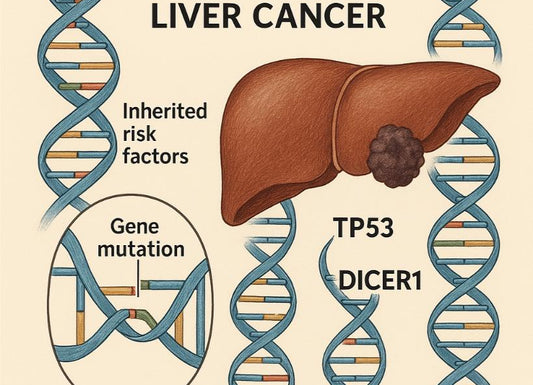
2. Liver Cancer
Primary liver cancer or metastatic cancer in the liver can cause severe portal hypertension, which leads to ascites. When tumors block blood flow through the liver, pressure increases and forces fluid into the abdomen.
3. Pancreatic Cancer
Pancreatic tumors may irritate the abdominal lining or obstruct lymphatic pathways. This often causes progressive ascites as the disease advances.
4. Colon and Stomach Cancer
Cancers of the digestive tract can spread to the peritoneum and cause fluid buildup. Gastric (stomach) cancer, in particular, frequently leads to malignant ascites.
5. Breast Cancer
Advanced breast cancer can metastasize to the abdomen. When cancer cells reach the peritoneum or liver, fluid accumulation may develop.
6. Lung Cancer
Some types of lung cancer, especially adenocarcinoma, spread to the abdominal lining and create fluid buildup.
7. Lymphoma
Lymphatic cancers can block lymph flow, leading to abdominal swelling. This is more common in advanced disease.
Read on in our article about glucose in urine to learn about causes and symptoms.
Symptoms of Cancer-Related Ascites
Malignant ascites may develop gradually or quickly. Symptoms include:
-
Noticeable abdominal swelling
-
Feeling full after small meals
-
Shortness of breath
-
Nausea or indigestion
-
Reduced appetite
-
Swelling in the legs or ankles
-
Unintentional weight gain
Severe symptoms may include abdominal pain, difficulty breathing, or fatigue.
How Doctors Diagnose Cancer-Related Abdominal Fluid

If ascites is suspected, your doctor may recommend:
-
Ultrasound to confirm fluid buildup.
-
CT scan or MRI to identify tumors or organ involvement.
-
Paracentesis to remove fluid for testing.
-
Cytology to check for cancer cells in the fluid.
-
Blood tests to evaluate liver and kidney function.
Analyzing the fluid helps determine whether it is caused by cancer, infection, or liver disease.
Treatment Options for Cancer-Related Ascites
Treatment focuses on improving comfort and managing the underlying cancer.
1. Paracentesis (Fluid Drainage)
A needle removes excess fluid to relieve pressure and improve breathing and mobility. This is the most common treatment for malignant ascites.
Patients may need repeated procedures depending on how quickly the fluid returns.
2. Diuretics (Water Pills)
Diuretics such as spironolactone or furosemide may help some patients, although they are often less effective for cancer-related ascites compared to liver disease.
3. Treatment of the Underlying Cancer
Chemotherapy, hormone therapy, targeted therapy, or immunotherapy may slow tumor growth and reduce fluid accumulation.
Ovarian cancer, for example, often responds well to chemotherapy, which may reduce ascites.
4. Catheter Placement for Ongoing Drainage
For patients requiring frequent paracentesis, doctors may place an abdominal catheter that allows fluid to be drained at home.
5. TIPS Procedure (Selected Patients)
A TIPS shunt may help if ascites is caused by severe liver blockage from metastatic cancer, although this is less common.
6. Symptom Management
Care focuses on:
-
Improving comfort
-
Reducing swelling
-
Protecting kidney function
-
Supporting nutrition
Read on in our UTI testing guide to better understand symptoms and treatment.
When Cancer-Related Ascites Requires Urgent Care

Seek medical help if you experience:
-
Severe abdominal pain
-
Difficulty breathing
-
Fever or chills (possible infection)
-
Rapid abdominal swelling
-
Confusion or dizziness
These may signal infection, kidney strain, or worsening cancer.
Read on to explore our complete guide to at-home kidney function testing and how it works.
Can Cancer-Related Ascites Be Cured?
Ascites caused by cancer can sometimes improve with successful cancer treatment. However, in many cases, malignant ascites indicates advanced disease.
Treatment focuses on:
-
Improving quality of life
-
Reducing symptoms
-
Managing underlying cancer
Regular monitoring and supportive care help patients maintain comfort and stability.
Read on in our full guide to at-home liver tests to learn what your results really mean.

The Bottom Line
Several cancers can cause fluid buildup in the abdomen, but ovarian, liver, pancreatic, stomach, colon, breast, lung cancer, and lymphoma are the most common sources. Ascites occurs when cancer spreads to the abdominal lining or disrupts liver and lymphatic function.
While malignant ascites is serious, treatments such as paracentesis, cancer therapy, and symptom management can significantly improve comfort and daily functioning.
If you notice unexplained abdominal swelling or bloating, early evaluation helps identify the cause and begin appropriate treatment.
Concerned about abdominal swelling or possible ascites?
You can take an at-home liver, kidney, and cancer marker test through Ribbon Checkup and get results in days.
Explore cancer and liver health tests
Related Resources
-
Liver Pain Location: Understanding Its Causes and Symptoms – Spot the main causes and symptoms.
-
What Can Be Mistaken for Liver Pain? – Conditions that mimic liver discomfort.
-
Gallbladder Pain vs. Liver Pain – How to tell them apart.
References
Ammouri, L., Al-Azzam, N., & Al-Tawil, S. (2010). Palliative treatment of malignant ascites. BioTechnology: Research and Innovation, 24(4), 6697–6705. https://doi.org/10.2147/btt.s6697
Ford, C. E., Werner, B., Hacker, N. F., & Warton, K. (2020). The untapped potential of ascites in ovarian cancer research and treatment. British Journal of Cancer, 123(1), 9–16. https://doi.org/10.1038/s41416-020-0875-x
Gupta, A., Ganesan, P., & Prasad, V. (2020). Ascites, or fluid in the belly, in patients with cancer. JAMA Oncology, 6(2), 308. https://doi.org/10.1001/jamaoncol.2019.5409
Han, M. Y., & Borazanci, E. H. (2023). Malignant ascites in pancreatic cancer: Pathophysiology, diagnosis, molecular characterization, and therapeutic strategies. Frontiers in Oncology, 13, Article 1138759. https://doi.org/10.3389/fonc.2023.1138759
Lee, J.-H., Kwon, S.-J., Kim, M., & Kang, B.-K. (2021). Prevalence and clinical implications of ascites in gastric cancer patients after curative surgery. Journal of Clinical Medicine, 10(16), Article 3557. https://doi.org/10.3390/jcm10163557
Matsusaki, K., Matsumura, M., Kanda, T., Kono, Y., Maemoto, A., Morita, H., & Sakaguchi, Y. (2022). Clinical practice guideline for the treatment of malignant ascites. International Journal of Clinical Oncology, 27(1), 1–18. https://doi.org/10.1007/s10147-021-02077-6
Ovarian Cancer Research Alliance. (2021, December 2). Ascites and ovarian cancer. https://ocrahope.org/news/ascites-ovarian-cancer/
Saif, M. W., & Siddiqui, I. A. (2009). Management of ascites due to gastrointestinal malignancy. Annals of Saudi Medicine, 29(4), 269–275. https://doi.org/10.4103/0256-4947.55167