

Home Health Test Kits: Your Complete Guide to At-Home Lab Testing


Key Takeaways
-
Many mail-in kits use CLIA-certified (and sometimes CAP-accredited) laboratories and may return results in as little as 1–3 business days after the lab receives your sample, depending on the test.
-
Home test kits work best for screening and monitoring conditions like vitamin D deficiency, thyroid function, HbA1c, and lipid levels—but they don’t fully replace regular visits with a licensed healthcare provider.
-
The typical process is straightforward: order online, collect a finger-prick blood, saliva, urine, or stool sample at home, mail it to the lab, view your results securely online, and optionally review findings with a telehealth clinician.
-
Costs typically range from $70–$90 for basic cholesterol or HbA1c tests to $150–$300 for comprehensive food sensitivity or STD panels, with many kits eligible for HSA/FSA payment.
What Are Home Health Test Kits?
Home health test kits are consumer-friendly versions of traditional lab tests that you can start from your kitchen table and finish in a certified laboratory. They give you access to the same diagnostic technology used in hospitals and clinics—without the waiting room, appointment scheduling, or time off work.
Sample Types You’ll Encounter
Today’s kits use several different sample types depending on what’s being measured:
|
Sample Type |
Common Uses |
Collection Method |
|---|---|---|
|
Finger-prick blood spots |
Cholesterol, HbA1c, hormones, vitamin levels |
Small lancet prick, blood drops on card |
|
Saliva |
DNA testing, cortisol, COVID-19 PCR |
Spit into provided tube |
|
Urine |
STD screening, kidney health |
Collect in cup, transfer to vial |
|
Stool |
Colon cancer screening, microbiome |
Small sample in collection container |
|
Swabs |
STDs, respiratory infections |
Nasal, throat, vaginal, or rectal |
Most high-quality kits rely on CLIA-certified laboratories in the United States that must meet strict quality controls similar to hospital labs. This means the analytical methods used to process your sample are held to the same standards as your doctor’s office.
Two Categories of Home Tests
It helps to understand the difference between two broad categories:
Rapid “read-at-home” tests give you results in minutes. Pregnancy tests, COVID-19 antigen tests, and some ovulation kits fall into this group. You collect the sample, run the test, and read the result yourself—usually within 15 to 30 minutes.
Mail-in lab tests provide detailed numerical results and reference ranges. You collect the sample at home, send it to a lab, and receive your results through a secure online portal. These tests typically offer more precision and measure specific biomarker levels rather than simple positive or negative answers.
By late 2024, more companies have integrated secure web portals and mobile apps so you can download PDFs, view trend graphs, and share results directly with your doctor.

Popular Types of Home Health Test Kits
Home kits now cover an impressive range of health concerns: general wellness, chronic disease monitoring, hormones, sexual health, allergies, digestive health, and even pet testing. The sections below break down specific test categories with example biomarker panels and realistic price ranges to help you find what fits your needs.
General Wellness & Metabolic Health Kits
Comprehensive wellness panels bundle thyroid function, liver enzymes, kidney function, and fasting lipids in a single kit. Some now include GLP-1-related markers for people interested in metabolic health. These typically cost around $140–$170.
GLP-1-oriented panels have become popular for people using medications like semaglutide for diabetes or weight management. They may track lipid profile, HbA1c, liver and kidney markers—all important to monitor while on these treatments. Pricing usually falls between $140 and $160.
Cholesterol kits measure total cholesterol, LDL, HDL, and triglycerides. These are among the most affordable options, often costing roughly $80–$90 with results returned in 1–2 business days after lab receipt. Given that heart disease remains a leading cause of death, checking your lipid levels at home offers a convenient way to stay informed.
HbA1c diabetes screening kits help identify prediabetes or diabetes and monitor blood sugar control over the last 2–3 months. An HbA1c of 6.5% or higher can indicate diabetes, typically confirmed with repeat testing or a second diagnostic test.
Metabolism or weight-loss panels include hormones such as cortisol, testosterone, DHEA, and TSH, and sometimes estradiol or progesterone. These comprehensive panels usually fall in the $200–$250 range.
Liver health monitoring at home (Ribbon Checkup)
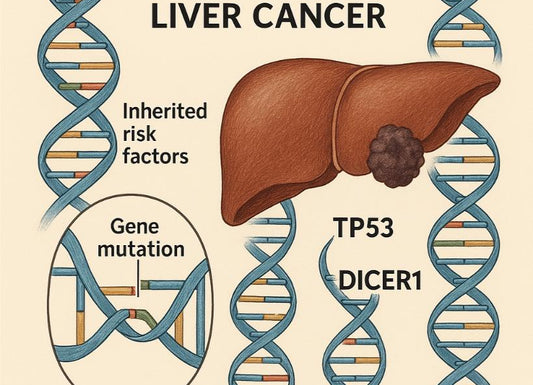
Not all home tests are mail-in lab panels. Some options are designed for quick, read-at-home monitoring. Ribbon Checkup offers an at-home liver health option that uses a urine test strip and a companion app to help you track liver-related markers over time. It’s a convenient way to stay proactive between doctor visits—especially if you’re monitoring lifestyle changes, medications, or alcohol intake. If anything looks abnormal or you’re feeling unwell, follow up with a clinician for confirmatory testing and next steps. Learn more at ribboncheckup.com.
Vitamin, Thyroid & Hormone Testing Kits
Vitamin D tests quantify 25-OH vitamin D to assess bone and immune health. Deficiency is surprisingly common among U.S. adults, making this a popular choice. Expect to pay around $90–$110.
Thyroid screening kits typically measure TSH and sometimes free T3 and free T4. These help screen for hypo- or hyperthyroidism in people experiencing unexplained fatigue, weight changes, or temperature sensitivity. Prices often range between $120 and $150.
Hormone panels aimed at weight management, fertility, or understanding age-related changes may include estradiol, progesterone, testosterone, DHEA, cortisol, and thyroid markers. Both men and women use these panels to gain understanding of hormone levels that affect energy, mood, and overall wellbeing. Costs typically run $200–$300.
Sleep-and-stress tests measure melatonin and cortisol patterns to explore insomnia or chronic stress. These specialized kits can provide insights when you’re struggling with sleep quality despite trying standard interventions.
Allergy & Food Sensitivity Kits
IgE-based allergy kits test for indoor and outdoor respiratory allergens like dust mites, pollens, molds, and pet dander. Panels covering 30–150 targets usually cost $180–$270.
Large multi-allergen tests assess up to 295 combined food and environmental allergens using a single blood sample. These comprehensive options often fall in the $330–$360 range.
Food sensitivity (IgG) kits screen 90–250 foods, with tiers like 96-food, 125-food, 198-food vegetarian, or 240-food comprehensive panels priced roughly $150–$300.
A word of caution: The scientific community remains divided on IgG food sensitivity testing. Major allergy organizations recommend against using IgG food panels to diagnose food sensitivities, since IgG often reflects exposure rather than intolerance. These tests should complement—not replace—supervised elimination diets and clinical guidance from a registered dietitian or allergist.
Sexual Health & STD Home Test Kits
At-home STD kits can screen for infections including chlamydia, gonorrhea, syphilis, trichomoniasis, HIV, hepatitis C, herpes, and HPV using urine, blood spots, throat, rectal, or vaginal swabs.
Typical panel options include:
-
3-test “essential” kits (chlamydia, gonorrhea, trichomoniasis): ~$150
-
5-panel standard kits: ~$200–$250
-
7- or 11-panel comprehensive kits: ~$300–$350
Female-focused STD panels often bundle HPV testing with standard STI markers and offer combined blood, vaginal, rectal, and throat sample collection in one kit.
Important: PA reactive/positive home HIV result should be followed by confirmatory testing and clinical follow-up (some mail-in systems include confirmation before results are released).
Digestive Health, Microbiome & “Leaky Gut” Kits
Stool-based microbiome panels analyze gut bacteria composition, pathogens, inflammatory markers, and sometimes digestive enzymes. These can be helpful for people with chronic bloating, IBS-like symptoms, or unexplained fatigue.
“Leaky gut” or intestinal permeability tests are marketed online, but it’s important to approach them with caution. While some markers may provide useful information, they are not standardized diagnostic tools. Work with a gastroenterologist to interpret these findings properly.
H. pylori testing can be performed via breath, stool, or blood tests ordered for at-home collection. This is often recommended when long-standing upper abdominal pain or persistent nausea suggests infection.
COVID-19, Respiratory & Infectious Disease Kits
Rapid antigen home tests for COVID-19 provide results at home in 15–30 minutes. They’re convenient but may be less sensitive than PCR tests, especially early in infection.
Mail-in PCR saliva or swab kits detect active infection with higher sensitivity and are useful when you need more certainty or for travel documentation.
Combined COVID-flu-RSV saliva panels became common by winter 2023–2024. These allow you to check for three respiratory viruses using one sample, with results typically available in 1–3 days.
COVID-19 antibody tests provide a numerical antibody score to help you understand past infection or vaccine-induced immune response. Keep in mind these don’t guarantee immunity.
Medication Response (Pharmacogenomic) Kits
Pharmacogenomic (PGx) home kits analyze specific genes that influence how your body responds to certain medications. These tests can guide decisions about:
-
Antidepressant selection
-
Blood thinner dosing
-
Pain medication alternatives
-
Cardiac drug choices
PGx kits typically require a one-time cheek swab, cost several hundred dollars, and generate reports that remain relevant for many years since your DNA doesn’t change. Results should always be interpreted with a prescriber or clinical pharmacist who can apply the findings to your specific treatment plan.
Pet Health & Specialty Kits
Some companies now offer home kits for dogs that analyze genetic markers, food and environmental intolerances, or skin and gut barrier health using cheek swabs or hair samples.
Pet tests should be used in partnership with a veterinarian, particularly when your animal companion is experiencing chronic skin irritation, digestive problems, or unexplained weight changes.
How Home Health Test Kits Work: Step-by-Step
While brands differ slightly, most home health testing follows four main stages: purchase, collect, ship, and review.
Step 1: Order Your Kit Online
You select a specific kit based on what you want to test—whether that’s cholesterol, STDs, food allergies, or hormones. Pricing is typically clear upfront with no surprise lab fees. Your kit arrives within 2–5 business days via mail or courier.
Step 2: Collect Your Sample
Inside the kit, you’ll find everything you need plus illustrated instructions:
-
Finger-prick blood spots: Use the provided lancet on the side of your fingertip, let drops fall onto the collection card
-
Saliva tubes: Spit into the tube following timing instructions
-
Urine cups: Collect mid-stream urine, transfer to the provided vial
-
Swabs: Follow anatomical guidance for nasal, throat, vaginal, or rectal samples
Most kits include video tutorials or app support if you need additional guidance.
Step 3: Ship to the Lab
Use the pre-paid, pre-addressed mailer to send your sample to the CLIA-certified laboratory. Most kits use USPS or a national courier with tracking provided. Try to mail your sample the same day you collect it—avoid collecting right before weekends or holidays when possible.
Step 4: Review Your Results
Turnaround times vary by test type:
|
Test Category |
Typical Turnaround |
|---|---|
|
Wellness panels, STD tests |
1–2 business days |
|
Hormone panels |
2–5 business days |
|
Microbiome tests |
7–14 days |
|
Pharmacogenomic tests |
7–21 days |
Results appear in a secure online dashboard where you’ll see normal ranges, color-coded flags (low, normal, borderline high), and sometimes doctor-written interpretive comments.

Benefits of Home Health Test Kits
The at-home testing market continues to grow because these kits offer real advantages that traditional lab visits can’t always match.
Convenience Without the Waiting Room
You can order, collect, and mail your sample on your own schedule—weekends, evenings, whenever works for you. There’s no need for an appointment, travel to a clinic, or time spent in a waiting room. For people in rural areas or with busy schedules, this service can make the difference between getting tested and putting it off indefinitely.
Privacy for Sensitive Health Concerns
For conditions that carry stigma—STDs, fertility challenges, mental health medication monitoring, or substance screening—at home tests let you collect samples discreetly without face-to-face encounters. This privacy encourages some people to test who otherwise wouldn’t, leading to earlier detection and treatment.
Empowerment and Active Participation
If you’re living with conditions like high cholesterol risk, diabetes, or thyroid disorders, home kits let you track trends between annual checkups. You can enter your next doctor’s appointment with data in hand, ready for a more informed conversation about your care.
Cost Transparency
Many kit providers list one upfront price—such as $79 for colorectal cancer screening or $199 for a sleep and stress panel—with no surprise facility or interpretation fees. You know what you’re paying before you purchase.
HSA/FSA Compatibility
Many home health test kits are eligible for payment with pre-tax dollars through Health Savings Accounts or Flexible Spending Accounts. Check that the kit is clearly marked as eligible, or verify with your plan administrator before purchase.
Limitations, Risks & When to See a Doctor
Home health test kits are informative tools—but they’re not a substitute for a comprehensive exam, imaging, or specialist evaluation when needed.
Accuracy Considerations
Even high-quality tests can produce false positives and false negatives. Factors that affect accurate results include:
-
Not following instructions exactly
-
Collecting samples at the wrong time (fasting vs. non-fasting)
-
Shipping delays that affect sample stability
-
Interpreting subtle or borderline results without clinical context
User error adds a layer of variability that doesn’t exist when trained phlebotomists collect samples in a controlled setting.
The Danger of Self-Diagnosis
Changing prescription medications, starting hormones, or altering psychiatric or cardiac drugs based solely on a home test result can be dangerous. These tests provide data points—not treatment plans. A clinician needs to interpret results in the context of your full health picture.
Red-Flag Symptoms Requiring Immediate Care
Call emergency services or go to an emergency room if you experience:
-
Chest pain or pressure
-
Trouble breathing
-
Sudden weakness on one side of your body
-
High fever that won’t respond to treatment
-
Severe abdominal pain
-
Signs of stroke (face drooping, arm weakness, speech difficulty)
No home test should delay emergency care for these conditions.
When Results Need Professional Follow-Up

Seek prompt medical evaluation for:
-
Any positive STD result
-
Very abnormal lab values (extremely high cholesterol, very low TSH)
-
Persistent unexplained symptoms despite “normal” home test findings
-
Results that conflict with how you’re feeling
Choosing a Reliable Home Health Test Kit
Not all home kits are regulated or clinically useful. Here’s how to identify quality options.
Look for Laboratory Credentials
Prioritize tests from companies that use CLIA-certified or CAP-accredited laboratories. For certain test types, look for FDA-cleared methods. These credentials indicate the lab meets federal quality standards.
Check Before You Buy
Before purchasing, verify:
-
What biomarkers are measured (be specific—“comprehensive hormone panel” can mean different things)
-
Sample type required (can you comfortably do a finger-prick or cheek swab?)
-
Typical turnaround time (important if you need results fast)
-
Privacy policy (how is your data stored and used?)
-
Clinician support (is telehealth review included or available?)
Understand the Test’s Intended Purpose
Tests designed for screening behave differently than those intended for diagnosis or monitoring. A screening test might have higher sensitivity (catching more true positives) at the cost of some false positives. Know what you’re getting.
Quality Indicators
-
Date-stamped customer reviews on independent platforms
-
Published validation data or peer-reviewed references
-
Access to board-certified physicians via secure messaging
-
Transparent pricing (for example, $149 for a food sensitivity baseline panel or $225 for a fitness-focused hormone test) with no hidden subscription fees
Integrating Home Test Results into Your Health Care
Home tests work best as part of your broader health care relationship—not as a replacement for it.
Keep Records You Can Share
Download and securely store PDF reports including reference ranges and laboratory details. Bring these to in-person or virtual appointments with your doctors, dietitians, or therapists so they can see the full picture.
Schedule Follow-Up for Complex Results
Some panels—hormones, lipids, pharmacogenomic reports, microbiome profiles, multi-allergen tests—benefit from professional interpretation. A finding that looks alarming might be normal for your situation, or a “normal” result might still warrant attention given your symptoms.
Use Results to Set Concrete Goals
Your test data can drive action:
-
Adjust your diet to improve LDL cholesterol levels
-
Schedule colonoscopy after a positive colorectal screening stool test
-
Revise allergy management plans based on identified triggers
-
Discuss medication adjustments with your prescriber based on HbA1c trends
Normal Results Are Useful Too
Don’t overlook the value of clear findings. Normal results can rule out certain causes, reduce anxiety, and help clinicians focus on remaining possibilities when investigating persistent symptoms.
References
College of American Pathologists. (2020, July 24). Laboratory Accreditation Program. https://www.cap.org/laboratory-improvement/accreditation/laboratory-accreditation-program
Research, C. F. B. E. A. (2018, March 7). Information regarding the Home Access HIV-1 Test System. U.S. Food And Drug Administration. https://www.fda.gov/vaccines-blood-biologics/approved-blood-products/information-regarding-home-access-hiv-1-test-system
The myth of IgG food panel testing | AAAAI. (n.d.). https://www.aaaai.org/tools-for-the-public/conditions-library/allergies/igg-food-test